The Naga Chronicles - Ep1 The sea never forgot. For thousands of years, it guarded a secret buried deeper than the darkest trenches...... A kingdom untouched by time, ruled by beings whose existence had become nothing more than myth. Most people called them legends. Others called them monsters. Only a handful of ancient texts dared to write their true name... Nāga. The waves crashed violently against the cliffs of the western coast as twenty-eight-year-old marine archaeologist Sean stood alone, staring into the endless ocean. He had spent his entire career searching for civilizations that history refused to acknowledge. His colleagues laughed whenever he mentioned underwater kingdoms. "Atlantis," they joked. "Mermaids next?" But Sean wasn't searching for fairy tales. He was searching for proof. His late grandfather had left behind a weathered journal filled with strange drawings of serpent-shaped crowns, underwater temples, and a single sentence repeated doze...

"Threads of Tradition: Uncovering the History and Meaning of African Waist Beads"
Delicate yet powerful, waist beads are more than just jewelry, they are storytellers wrapped around the body. Originating from West Africa, these vibrant strands have long been worn by women as sacred symbols of beauty, sensuality, femininity, fertility, and spiritual well-being. Traditionally handcrafted from glass, metal, crystals, gemstones, charms, wood, or even plastic, each bead is strung with intention on cotton thread, twine, or wire. Every color, every material carries a message one that reflects the wearer's personal journey, cultural roots, or spiritual beliefs.
Known to different tribes in different names, the waist beads are not just worn, they are felt. Depending on tradition, they may be kept hidden, shown with pride, or removed during certain rites of passage. Beyond their cultural significance, many women now wear waist beads to track changes in weight, posture, or overall body awareness and a blend of tradition and modern utility. Whether worn in silence or celebration, waist beads whisper the ancient language of identity, womanhood, and self-expression.
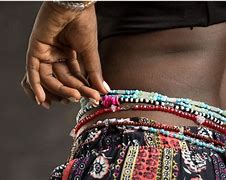
Waist Beads Across West African Cultures: Symbols of Identity, Beauty, and Belief
Ghanaian Culture
In Ghana, waist beads are deeply rooted in tradition and are often introduced to girls during puberty. Usually by their mothers as part of their rite of passage into womanhood. These beads signify fertility, maturity, and readiness for marriage. One of the most significant ceremonies in Ghanaian culture is Dipo, an initiation ritual where young women adorn themselves with beads around their necks, ankles, and waists. These beads often handcrafted from seeds, shells, glass, teeth, ivory, or stones are believed to bring good luck and are sometimes intricately painted. The size and style of the beads can reflect a woman’s stage of sexual maturity. In many homes, waist beads are considered sacred and private only meant to be seen by the wearer or her significant other. Today, they are also embraced as bold fashion statements, blending tradition with modern identity.
Igbo Culture
Among the Igbo people of southeastern Nigeria, waist beads called Mgbájị date back as far as 500 BC and were historically worn by both men and women across social classes. Today, they are mostly worn by girls and women during traditional ceremonies and festivities. Mgbájị are typically crafted from copper, coral, glass beads, and stones, and strung in multiple layers for a fuller appearance. They are still a cherished part of Igba Nkwu (traditional marriage), where the bride’s attire is incomplete without them. As the bride dances toward her groom, the beads sway, capturing attention and symbolizing beauty, wealth, and fertility. Even though their use has declined in daily wear, many elderly Igbo women still keep them as treasured symbols of femininity and cultural pride.
Yoruba Culture
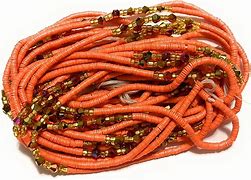
To the Yoruba people, waist beads are known by names such as Ileke, Ibebe idi, Jigida, or Lagidigba holding spiritual and social significance. Crafted from glass, nuts, metal, or wood, these beads come in various sizes and vibrant colors. Worn as early as childhood, the beads are exchanged and upgraded as a girl grows into womanhood, marking her journey of self-awareness, fertility, and confidence. Waist beads are also worn for practical reasons such as posture correction, weight tracking, and sensual expression but they are equally powerful as spiritual tools for protection and growth. Among royalty, more expensive and rare beads denote status, beauty, and distinction.
Hausa Culture
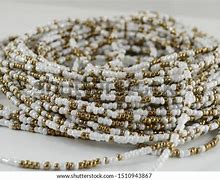
As Nigeria’s largest ethnic group, the Hausa people have long celebrated the aesthetic power of beads. Known as Jigida, waist beads are worn from infancy and are often seen around the waists of newborn girls. Hausa waist beads are typically finer in size and made from plastic, wood, cowries, bones, or shells. They serve both decorative and spiritual purposes. Traditionally, they are believed to offer protection—warding off evil, preserving chastity, and even safeguarding girls from sexual harm. Beyond their protective role, waist beads also amplify femininity, beauty, and sensual energy in Hausa culture.
The Spiritual Language of Waist Beads: What Each Color Means
Spiritual waist beads are more than just beautiful adornments—they are intentional, symbolic tools used for healing, meditation, protection, and personal expression. Each color woven into a strand carries its own frequency, energy, and spiritual message. Understanding their meanings can transform how we wear and connect with them on our journey of self-awareness.
- Red – A color of passion, power, and grounded energy. Red waist beads symbolize vitality, courage, confidence, and a strong connection to the Earth. They spark action and ignite the inner fire.
- Blue – Calm like water, blue represents serenity, healing, and truth. It supports introspection and clear communication, helping the wearer tap into their inner voice.
- Green – The color of growth, abundance, and fertility. Green waist beads reflect harmony with nature and the continuous cycle of renewal and balance.
- Yellow – Radiating the warmth of the sun, yellow symbolizes joy, energy, and mental clarity. It uplifts the spirit and stimulates optimism and creativity.
- White – Signifying purity, light, and new beginnings, white beads represent spiritual clarity and the unity of all colors. They often accompany moments of transition or fresh starts.
- Black – Deep, mysterious, and powerful, black beads offer protection, strength, and grounding. They are believed to ward off negative energy and enhance inner resilience.
- Purple – Long associated with royalty and mysticism, purple waist beads speak of intuition, spirituality, and wisdom. They are perfect for those on a path of deeper self-discovery.
More than a fashion statement, spiritual waist beads serve as intentional energy tools. By choosing colors aligned with personal affirmations or goals, wearers can enhance rituals, support healing, or manifest specific desires. Whether used in meditation, as daily reminders, or sacred adornments, waist beads tell stories of culture, connection, and transformation.
Wear them with intention. Let them guide your spirit.
Comments
Post a Comment