The Naga Chronicles - Ep1 The sea never forgot. For thousands of years, it guarded a secret buried deeper than the darkest trenches...... A kingdom untouched by time, ruled by beings whose existence had become nothing more than myth. Most people called them legends. Others called them monsters. Only a handful of ancient texts dared to write their true name... Nāga. The waves crashed violently against the cliffs of the western coast as twenty-eight-year-old marine archaeologist Sean stood alone, staring into the endless ocean. He had spent his entire career searching for civilizations that history refused to acknowledge. His colleagues laughed whenever he mentioned underwater kingdoms. "Atlantis," they joked. "Mermaids next?" But Sean wasn't searching for fairy tales. He was searching for proof. His late grandfather had left behind a weathered journal filled with strange drawings of serpent-shaped crowns, underwater temples, and a single sentence repeated doze...

Igbo Dieties: Names, Roles, and Beliefs
Igbo traditional religion is rich, layered, and deeply symbolic. Long before colonial rule and the spread of Christianity, Igbo communities across southeastern Nigeria understood the universe as a living system governed by spiritual forces. These forces, known as alụ́sị (deities), served as intermediaries between humanity and the Supreme Creator.
Although there are said to be over a hundred deities in Igbo cosmology—both major and minor—only a handful are widely remembered today. Many others were tied to specific villages, rivers, forests, or ancestral lineages and slowly faded from public memory due to cultural suppression and religious replacement.
This article focuses on the major Igbo deities whose influence cut across multiple communities and whose names still echo throughout Igboland.
1. Chukwu (The Supreme God)
At the center of Igbo cosmology stands Chukwu, also known as Chukwu Okike or Chineke. Chukwu is the ultimate source of existence—the creator of the universe, giver of life, rain, destiny, and moral order.
Unlike other deities, Chukwu is considered too vast and sacred for direct worship. Instead, the Igbo relate to him through lesser deities who carry out his will. In this way, Chukwu represents unity: the invisible force that binds the spiritual and physical worlds together.
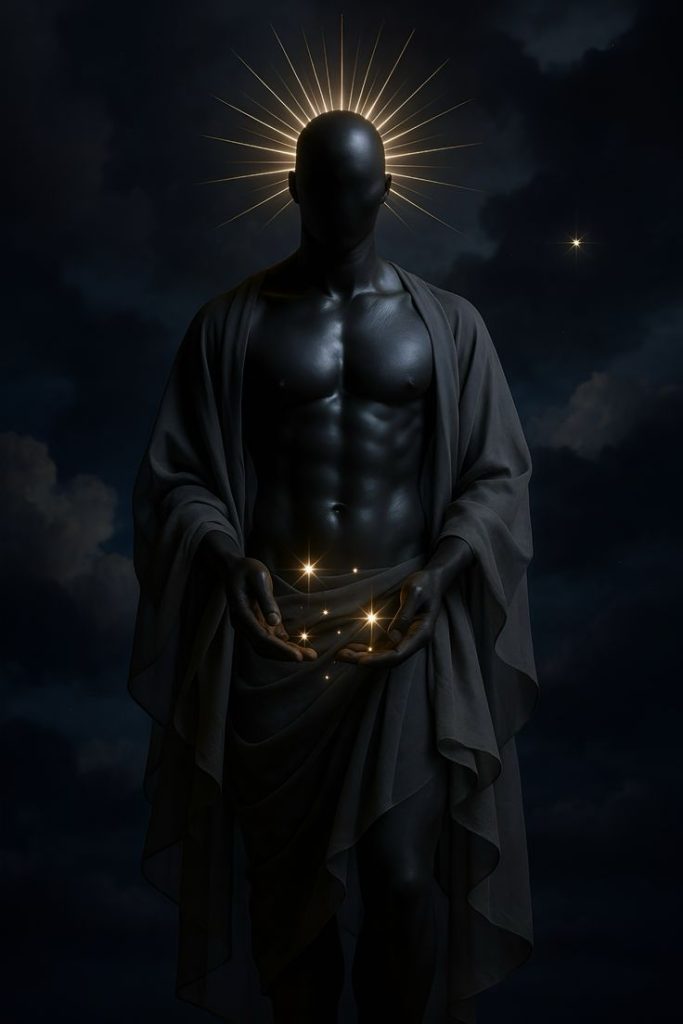
2. Anyawu (The Eye of The Sun)
The name Anyanwu comes from anya (eye) and anwụ (sun), meaning “the eye of the sun.” In Igbo belief, Anyanwu embodies the power of light, clarity, and vision.
Beyond providing warmth and energy, the sun symbolizes knowledge, foresight, and truth. Anyanwu is therefore associated with wisdom and spiritual insight—the ability to “see” beyond the surface of things.
Because of the sun’s closeness to the heavens, sacrifices meant for Chukwu were sometimes offered through Anyanwu, emphasizing its role as a bridge between humans and the Supreme Creator. Even today, the symbolism of sunlight remains tied to growth, guidance, and divine awareness in Igbo thought..
3. Amadioha (The God of Thunder and Lightening)
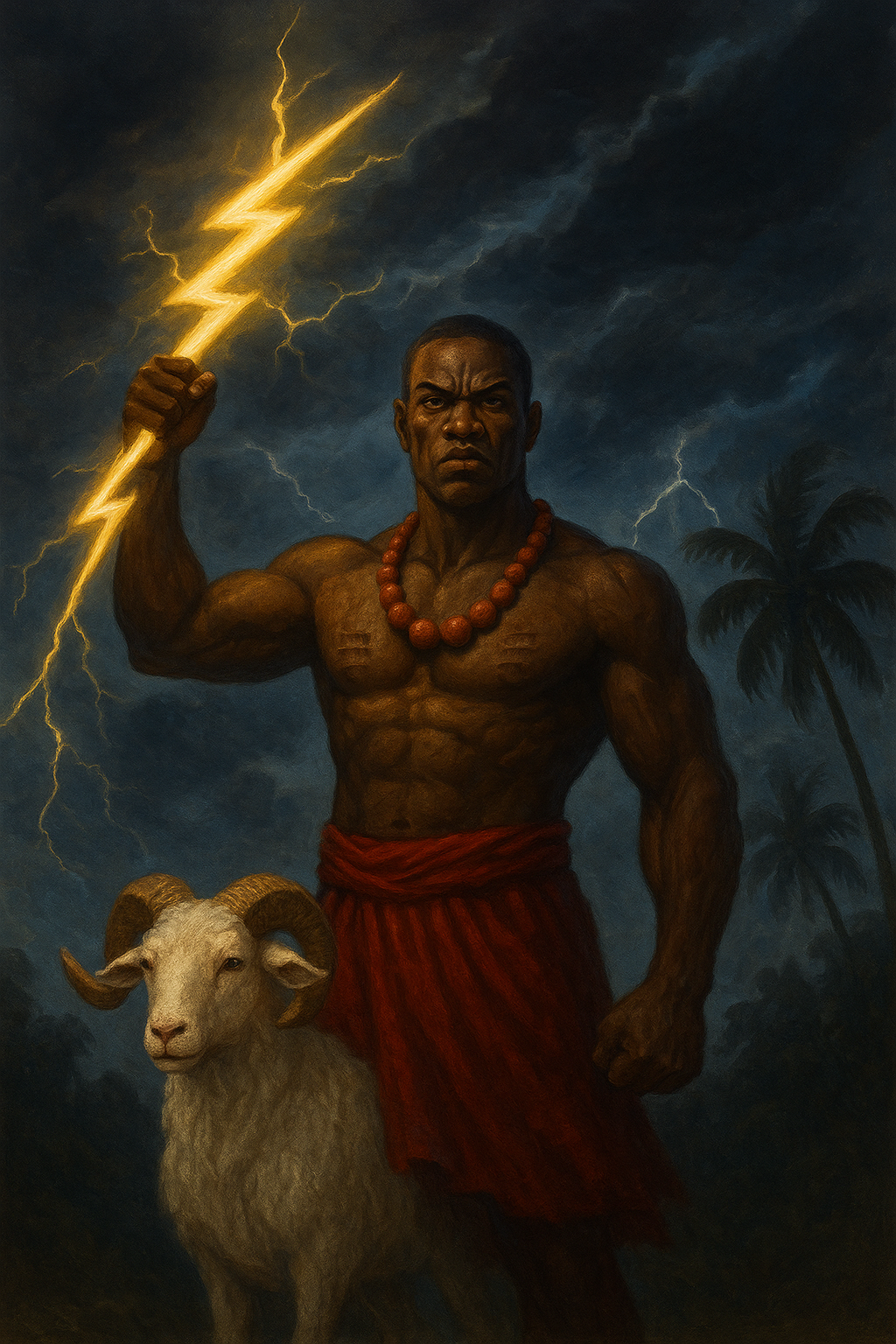
One of the most feared and respected deities in Igbo tradition is Amadioha, also known in some regions as Kamalu or Amadiora. He is the god of thunder and lightning and a powerful enforcer of justice.
Amadioha is believed to punish wrongdoing, expose hidden evil, and defend the innocent. While his thunder inspires fear, he is not viewed as cruel. Instead, he represents fairness and moral balance—striking only when justice demands it.
His sacred color is red, his ritual animal is the white ram, and his worship is closely tied to the Afo market day. Shrines dedicated to Amadioha are often located in thick forests and marked by symbolic objects associated with judgment and protection.
4. Ala ( Earth Goddess)
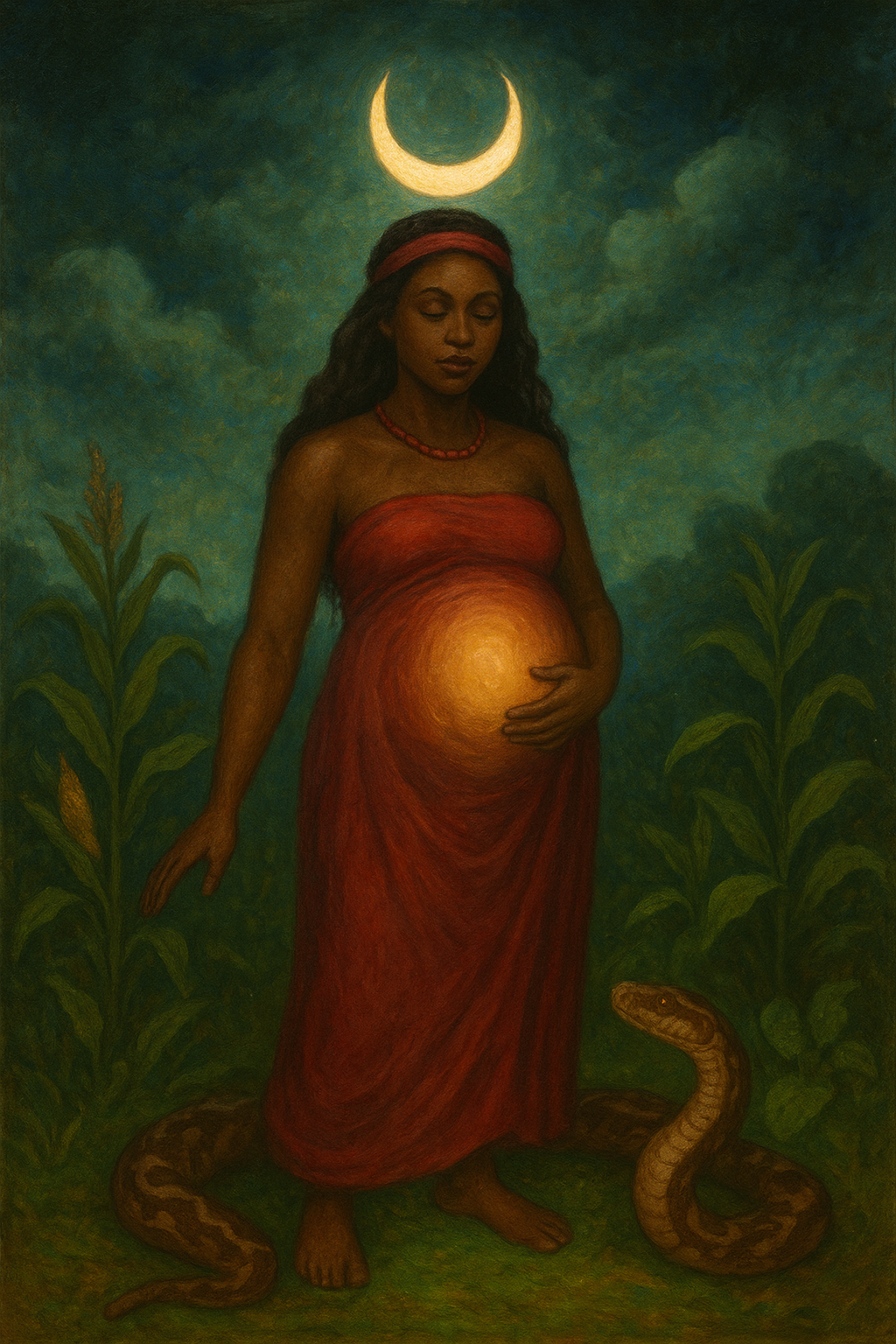
Among all Igbo deities, Ala (also called Ani) holds a uniquely intimate role in daily life. As the goddess of the earth, morality, and fertility, she governs human conduct and social order.
To offend ethical laws is described as “defiling the earth” (imebi Ala). Such offenses must be ritually cleansed, or the offender risks spiritual consequences—even in death. Ala is also deeply connected to agriculture, making her central to planting seasons, harvest rituals, and communal well-being.
Often depicted as a pregnant woman, Ala symbolizes the earth as a living womb—nurturing life and receiving the dead. Her sacred animal is the python, a creature protected and revered across Igboland.
5. Agwu (Patron Spirit of Diviners)
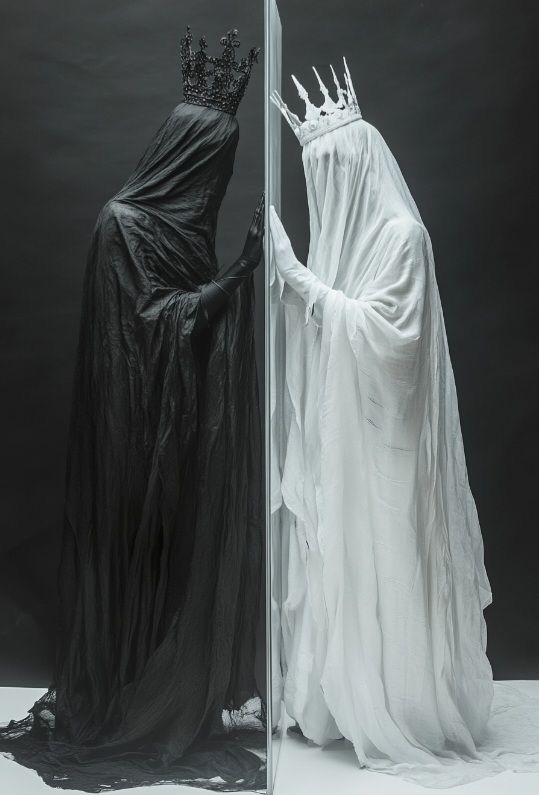
Agwu is a complex and unpredictable deity associated with divination, creativity, and mental balance. Known as the patron spirit of ndi dibia (traditional healers and diviners), Agwu embodies duality—order and chaos, insight and confusion.
Those believed to be “touched” by Agwu may experience periods of disorientation or emotional instability, but this is often interpreted as a calling into spiritual knowledge. When honored correctly, Agwu grants wisdom, healing ability, and deep intuition.
6. Nmuo Mmiri or Nne Mmiri (The Water goddess)
Water spirits occupy a powerful place in African cosmology, and among the Igbo, this role is filled by Nmuo Mmiri, often linked to the wider Mami Wata tradition.
She is a deity of rivers, streams, and oceans—associated with beauty, wealth, fertility, and mystery. Devotees believe she offers protection, guidance, and material blessings, especially to those who respect her domain.
However, like water itself, Nmuo Mmiri is unpredictable. When dishonored, she may bring illness or misfortune. Her sacred animals include the python, crocodile, and tortoise, symbols of adaptability and hidden power.
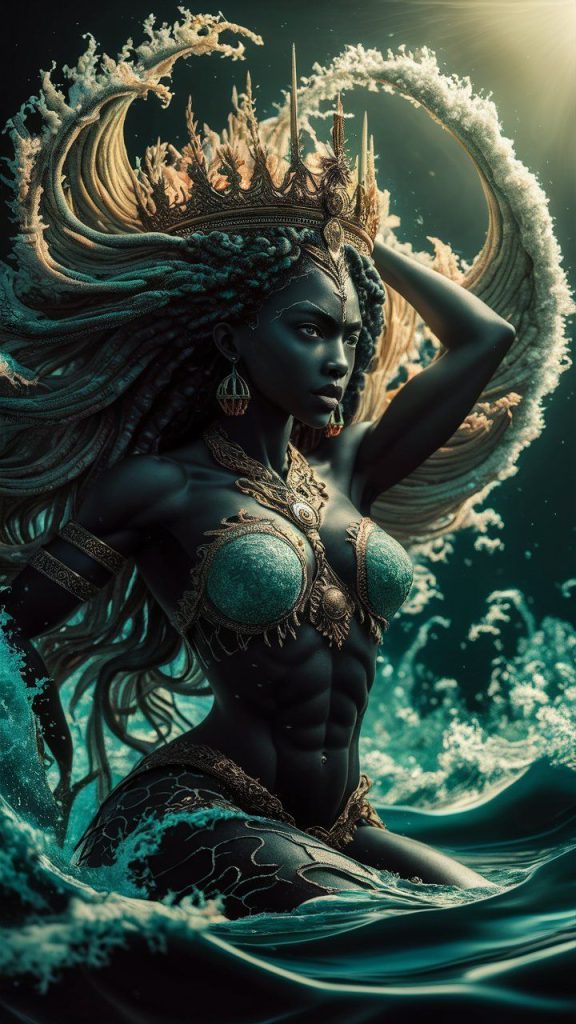
7. Ekwensu (The god of Warriors)
Contrary to later Christian interpretations, Ekwensu was not originally a devil figure in Igbo belief. He was a deity of warfare, strategy, and transformation—invoked during times of conflict and upheaval.
Ekwensu represents chaos as a necessary force of change. He was honored by warriors who needed courage and cunning but feared for his lingering influence once peace returned. This is why shrines to Ekwensu were often dismantled after battles.
Though dangerous, Ekwensu was never seen as purely evil. He was part of the cosmic balance—a reminder that destruction and renewal often walk hand in hand.
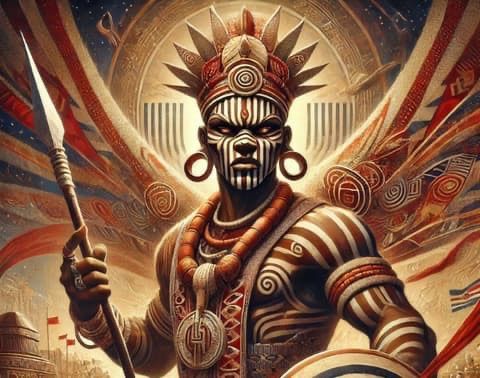
8. Ogbunabali (The Fearsome Igbo God of Death and Justice)
The name Ogbunabali translates to “he who kills at night.” He is the embodiment of death and final judgment, enforcing the most severe forms of divine justice.
Ogbunabali punishes grave offenses, especially broken covenants with the gods. His presence symbolizes the final boundary—once crossed, there is no return. Because of this, he is feared but also respected as a guardian of cosmic law.
He is closely associated with masquerade societies (mmanwụ), which bridge the worlds of the living and the dead. Any disrespect toward sacred masquerade traditions is believed to attract his wrath.
Final Thoughts
Igbo deities reflect a worldview where nature, morality, and spirituality are inseparable. Each deity—whether gentle or fearsome—serves a purpose in maintaining balance within the universe.
Which of these deities are familiar to you?
Does your community still preserve any of these traditions?
👉 Share your thoughts in the comments.
Comments
Post a Comment